

Sin and Fundraising: Cultivating Moral Clarity as Religious Fundraisers
Sin and Fundraising: Cultivating Moral Clarity as Religious Fundraisers
A Note from Dr. Carlos W. Perkins
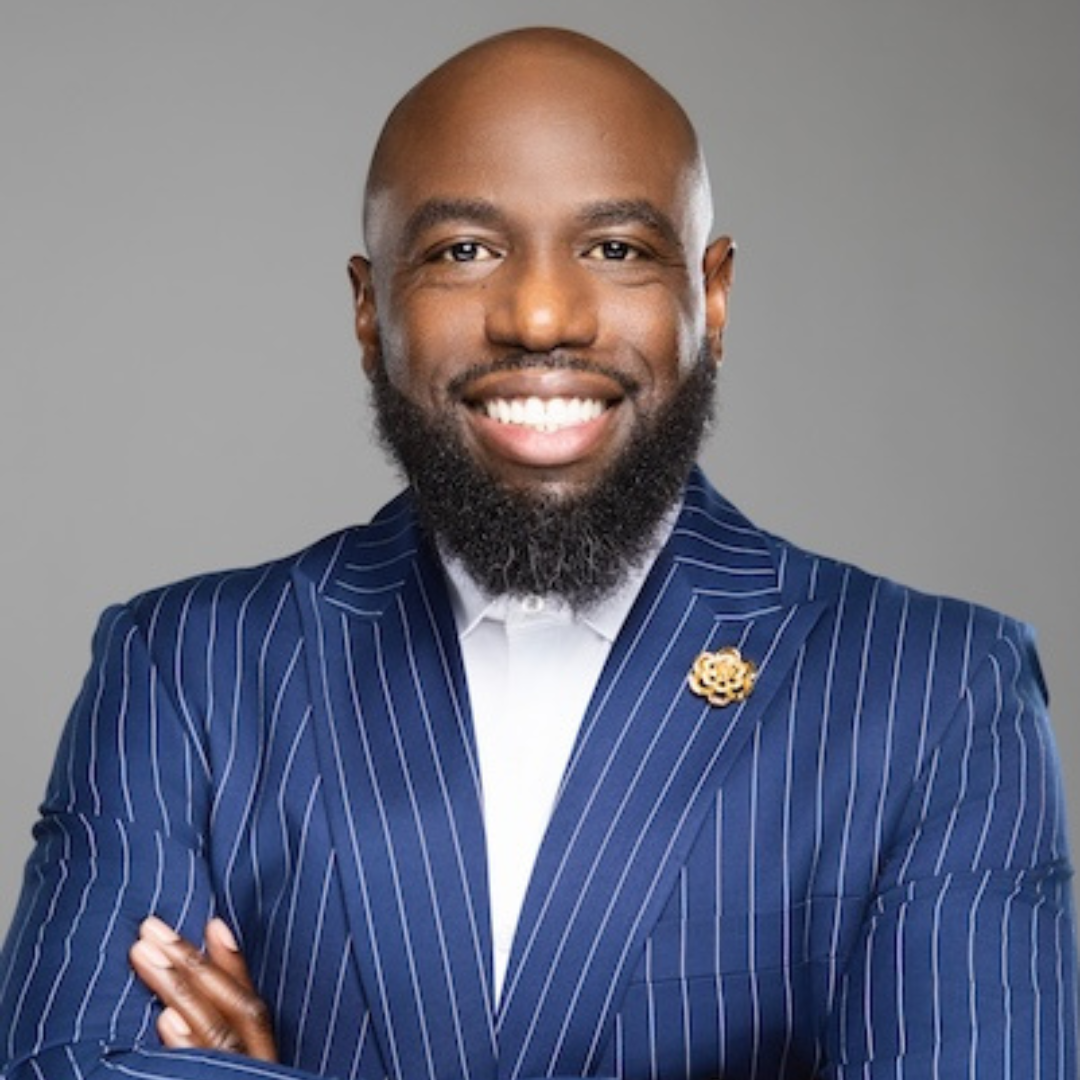 Jorge Juan Rodríguez V, PhD, Deputy Executive Director of the Hispanic Scholars Program, offers a compelling reflection in his article, “Sin and Fundraising: Cultivating Moral Clarity as Religious Fundraisers.” I had the privilege of working with Dr. Rodríguez when he served as adjunct faculty for the Executive Certificate in Religious Fundraising in San Antonio, Texas, where he thoughtfully challenged cohort participants to consider the deeper theological foundations of their work. In this article, he reminds us that religious fundraising is grounded not only in financial goals but also in theological conviction and communal accountability. Rodríguez invites fundraisers to cultivate moral clarity—understanding the values and faith commitments that guide us when we say yes to funding and when discernment may require us to say no. We are grateful for Rodríguez’s insights and willingness to wrestle with how we manage and engage with faith and philanthropy.
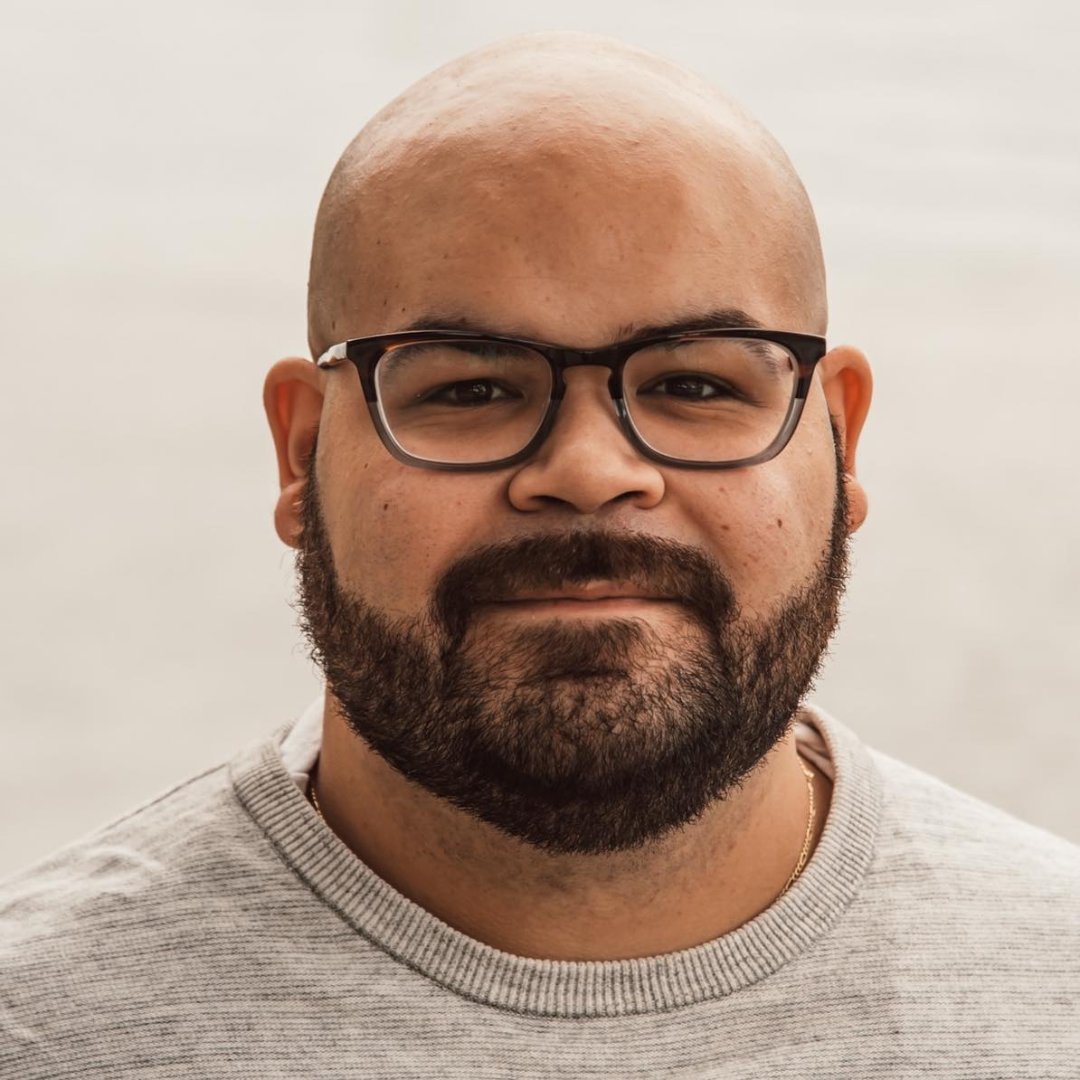
By Jorge Juan Rodríguez V, PhD, Deputy Executive Director of Hispanic Scholars Program, Assistant Teaching Professor of Historical Studies at Union Theological Seminary
 Religious fundraising begins with the moral, ethical, and values-based convictions one holds, grounded in theological clarity and accountable to a community. Applied to the Latine theological community whose lived reality was shaped by colonial imposition and anti-colonial movement building, religious fundraising yields conversations beyond metrics and budgets to more complex discussions about when we should accept and perhaps even turn down donations.
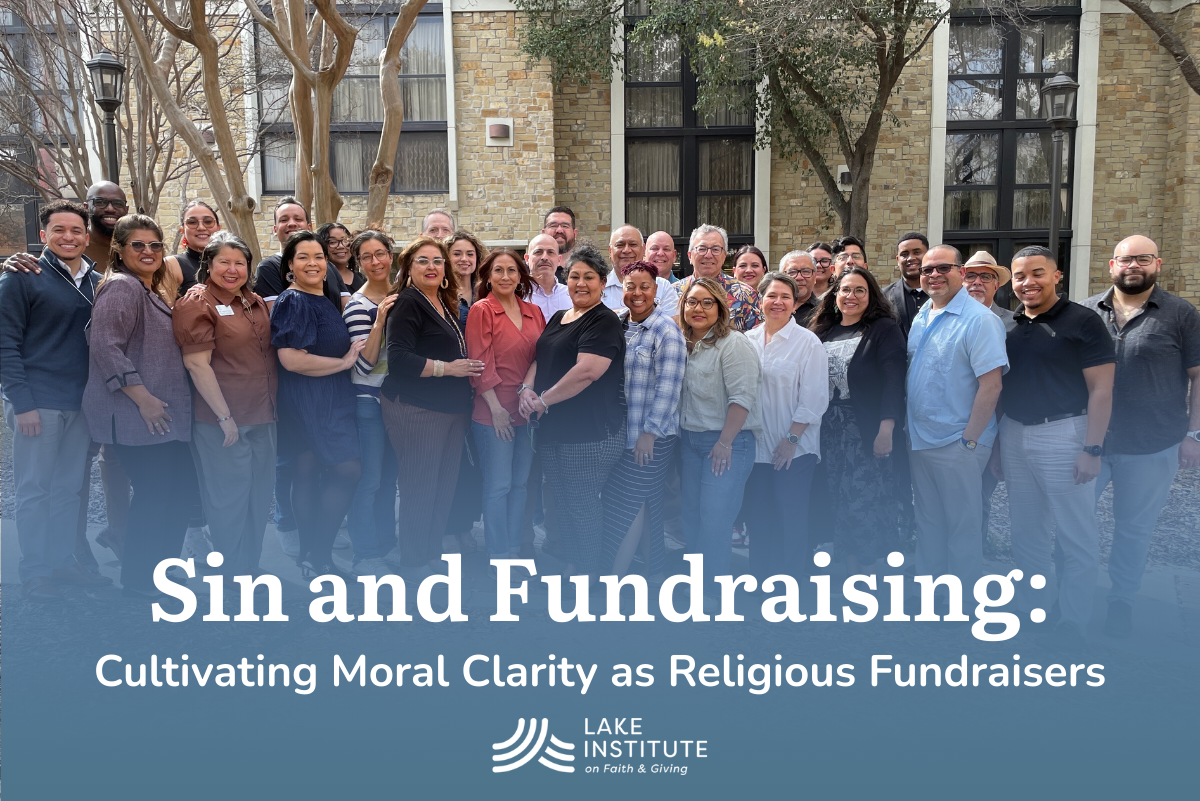
This was a central discussion that emerged at this year’s “El Semillero: Executive Certificate of Religious Fundraising,” a partnership between the Hispanic Scholars Program, Lake Institute on Faith and Giving, and the Association for Hispanic Theological Education that trains those committed to the Latine theological community in religious fundraising while critically incorporating insights from the Latine community and the ways colonialism has shaped our relation to philanthropy.
During El Semillero, my co-facilitator, Dr. Carlos Perkins, and I led a fundraising role play that is common in ECRF trainings. In groups, participants are divided into three roles: 1) the fundraiser who pitches their project or organization, 2) the supporter who enhances the pitch with stories and statistics, and 3) the donor. During the role-play, the fundraiser and supporter work together to make an ask of the donor which could be as little as $10 or as much as $5 million. Donors are prompted to approach the fundraiser and supporter with different personas, unbeknownst to others. Some are lively and excited, ready to give no matter the ask. Others are stern, quick to ask how the project will benefit them and their “bottom line.”
One role-play during El Semillero sparked a deep discussion on whether, as Latine religious fundraisers, the fundraiser in the scene should have accepted the donor’s money. In this role-play, the fundraiser pitched a program to empower early-career Latine pastoral leaders in their local community. We learned that the donor was a member of that community who owned a thriving furniture store. As the conversation began, the donor expressed profound interest in the fundraiser’s project, noting their commitment to the community and their relationship with an individual who connected the donor and the fundraiser. They asked, as sometimes happens in corporate fundraising, if they could add their logo to bulletins to help promote their business. All felt normal, that is, until the donor revealed that they make money by leasing furniture to the Latine community at a 35% interest rate—higher than most major credit cards.
When it was time to debrief the role play, a difficult question swiftly emerged: was it ethical to take the money of the furniture store owner who was making a profit through astronomically high interest rates? Put differently, given the ways Latine communities are already disproportionately affected by predatory lending that increases poverty and decreases economic empowerment, is it right to accept the money of business owners whose practices undermine the kind of flourishing these young pastors are seeking to cultivate in this very community?
This test case raises critical questions about hamartiology—the study of “sin”—in Christian theology. Derived from the Greek “hamartia” (“to miss the mark”), questions of hamartiology help us explore how we understand and interpret causes of harm. For traditions with a more individualist hamartiology, the response to this test case might focus on the business owner’s intentions and individual morality. Was he intentionally trying to take advantage of people through these interest rates (which would be sinful), or was he merely a good businessman trying to make an honest profit? Within such a framing, the question centers on the businessman’s intent.
As someone trained and tied to a more Latine liberationist tradition, however, my hamartiology is far more systemic. While the businessman’s intent is important, my questions revolve around how the system he created through a 35% interest rate—contextualized within an economic system that already deepens poverty along racial lines—is in and of itself sinful. Put differently, from this theological framing, it is not just about whether the individual businessman intended to cause harm; the issue is that the business interest rate policies are harmful regardless of who implements them. Indeed, if he left the company tomorrow and the company’s new owner sustained this system, the system would still be causing harm.
As a religious fundraiser accountable to the Latine community and informed by a theological tradition that cultivates my values, morals, and ethics through an assessment of systemic harm, I would not, in good conscience, be able to accept the money from this specific donor. By doing so, I would be co-signing and empowering the very harm my work is actively pushing against.
By inviting participants to explore how, informed by their diverse theological traditions and commitments to community, they understand sin and harm, participants gained greater clarity about when they might say no to a gift. Yet what the conversation revealed was not a single right or wrong answer, regardless of my personal convictions. Rather, they revealed the deep struggles of a Latine community that, especially in these times, faces the brunt of societal sin.
We wrestled with whether we, as religious fundraisers, should accept a corporate partnership with Home Depot, which has been cooperating with Immigration and Customs Enforcement in the deadly surveillance of Black and Brown immigrants and citizens alike. Should we, as religious fundraisers, accept money from an endowment that is invested in weapons manufacturers whose bombs are causing the deaths of people, vegetation, and our atmosphere from Sudan to Gaza to Iran? Should we, as religious fundraisers, accept money from an individual donor who generated their wealth by leveraging relationships with convicted sexual predators?
For the Latine community, these moral and ethical questions are not abstract but deeply felt in the daily realities we face. Yet, to me, these moral and ethical questions are ones that every single religious fundraiser must account for.
What makes religious fundraising distinct is that it is honest about the theological positions that inform its values, morals, and ethics, as well as the communities the fundraiser is accountable to. From this vantage point, fundraising is not just about meeting annual goals but about the theological clarity that guides when you will say yes, and perhaps more challengingly, when you might say no to money. Whether there is a right answer to this in all scenarios, I do not know. Our world is so profoundly interconnected, and the evils of one sector so entwined with another, that to take a “pure” moral stance might be impossible. But our goal as religious fundraisers is not purity, it’s clarity. Clarity about whom you are accountable to and clarity on the moral, ethical, and values-based convictions that guide your work, grounded in a theological tradition.
So, I leave you with this question: from the vantage point of your community and your theological tradition, would you take the businessman’s money?
Jorge Juan Rodríguez V, PhD, is a scholar, educator, and administrator. In addition to his role as Assistant Teaching Professor of Historical Studies at Union Theological Seminary, Dr. Rodriguez serves full-time as Deputy Executive Director of the Hispanic Scholars Program—a nonprofit of theological education inspiring, empowering, and cultivating community among all those who wish to accompany Latine communities, especially undergraduate and graduate students of religion and theology.
Between Intention and Luck
By Alma Lizzette Cárdenas-Rodríguez, Director of Community Cultivation, Auburn Theological Seminary
 Looking in the mirror is not something I linger on each morning. It’s more like a rapid‑reading technique: skim what’s necessary, make a few quick adjustments, and move on with my day. But during El Semillero in San Antonio last week, it felt as though I spent three days looking intently into a mirror.
This time, I wasn’t alone. I was in comunidad. Together we held mirrors for one another, sometimes dancing between reflection and x‑ray, examining the deeper structures that have shaped us.
We were invited to go inward and unearth the narratives that inform our relationship with money. Many stories surfaced through exercises and conversation. As our time concluded, we visited Mark Menjívar’s exhibit at the Contemporary at Blue Star. His work on luck, particularly a single lottery ticket, reminded me of the four dimensions of giving we studied: impulsive, selective, habitual, and planned. Few identified as planned givers; most of us leaned toward impulsive giving.
It made me wonder about the cultural and theological formation that often leads us to leave our finances, wellbeing, and future to miracles or luck.
My father Alberto’s side of the family lived through the Cristero War in Mexico between 1926 and 1929. I still don’t know which side they were on. What I do know is that they moved constantly, hiding to avoid being forced to fight or submit to either side. Along the way, people buried valuables like gold to keep them from being stolen, hoping to return to them one day.
My father tells stories of my grandfather, Valeriano, searching for signs of that buried gold. Watching for the smoke‑like cloud believed to rise from the ground. But digging it up could release deadly fumes. Some struck gold and lost their lives. Sometimes I wonder if he ever saw that cloud and chose to walk away, choosing life.
Growing up, I saw generosity embodied in my mother, Teresa. On payday, the tithe envelope always came first on our dining table. Even on weeks when the only thing in our fridge was eggs, trusting that God would provide.
Both stories make me wonder why we so often leave our present and future to miracles or luck. What I am learning in my prayers and dreams with God is that miracles rarely fall into our laps. They ask something of us: intention and participation.
Like my great‑grandfather teaching my father to save a penny for every penny earned. Or the quiet readiness to feed an extra mouth at our tables.
Wherever we find ourselves in our giving, may we cultivate communities of both givers and receivers, seeding life and remembering that not all gold is meant to be struck.
Preserving & Sharing Latino Culture
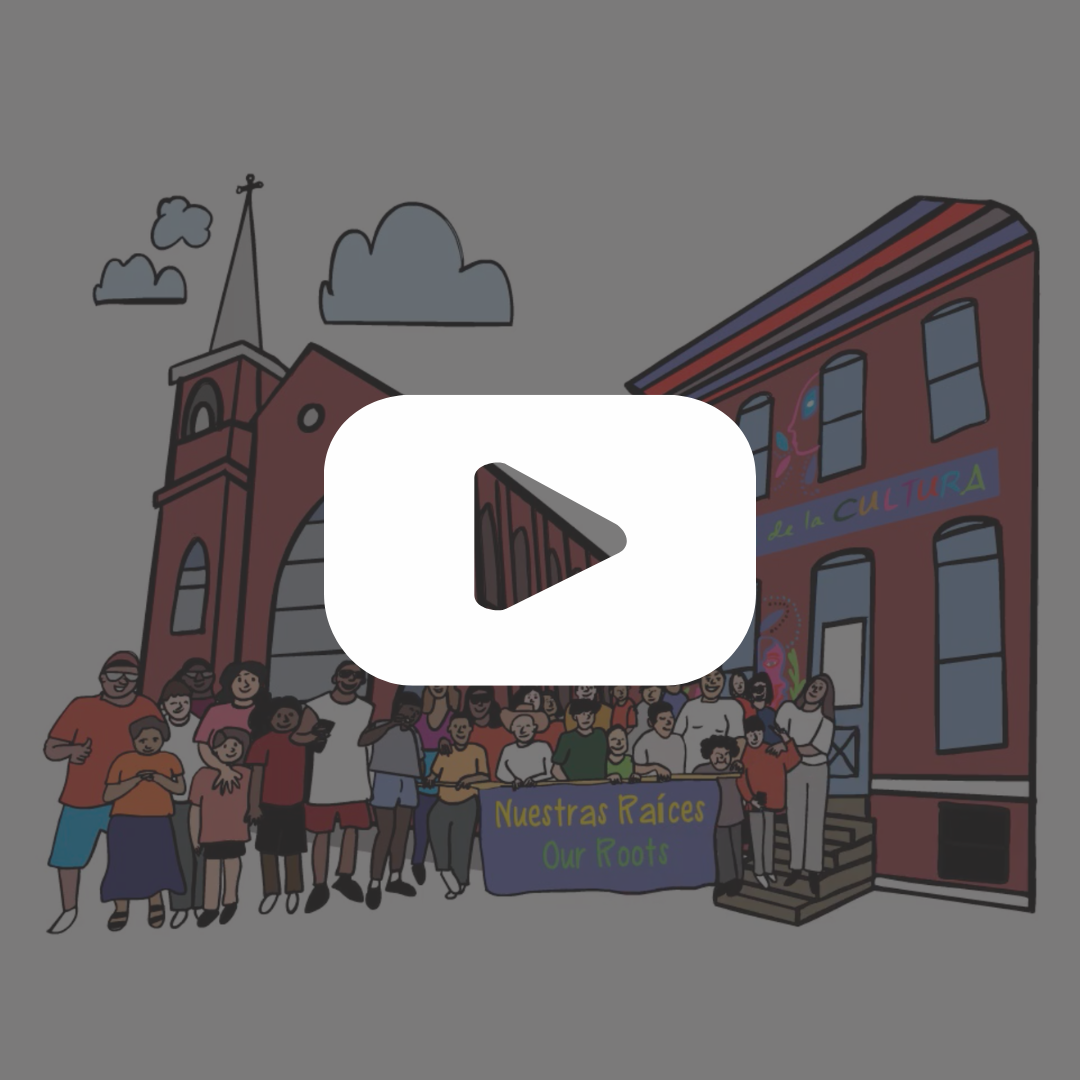
From Lake Institute’s Faithful Generosity Story Shelf, this illustrated story shares how one congregation transformed a fixer-upper parsonage into a vibrant community center—creating a space to celebrate Latino culture and connect across cultural, generational, and denominational lines.
ECRF Spring 2026 Cohort
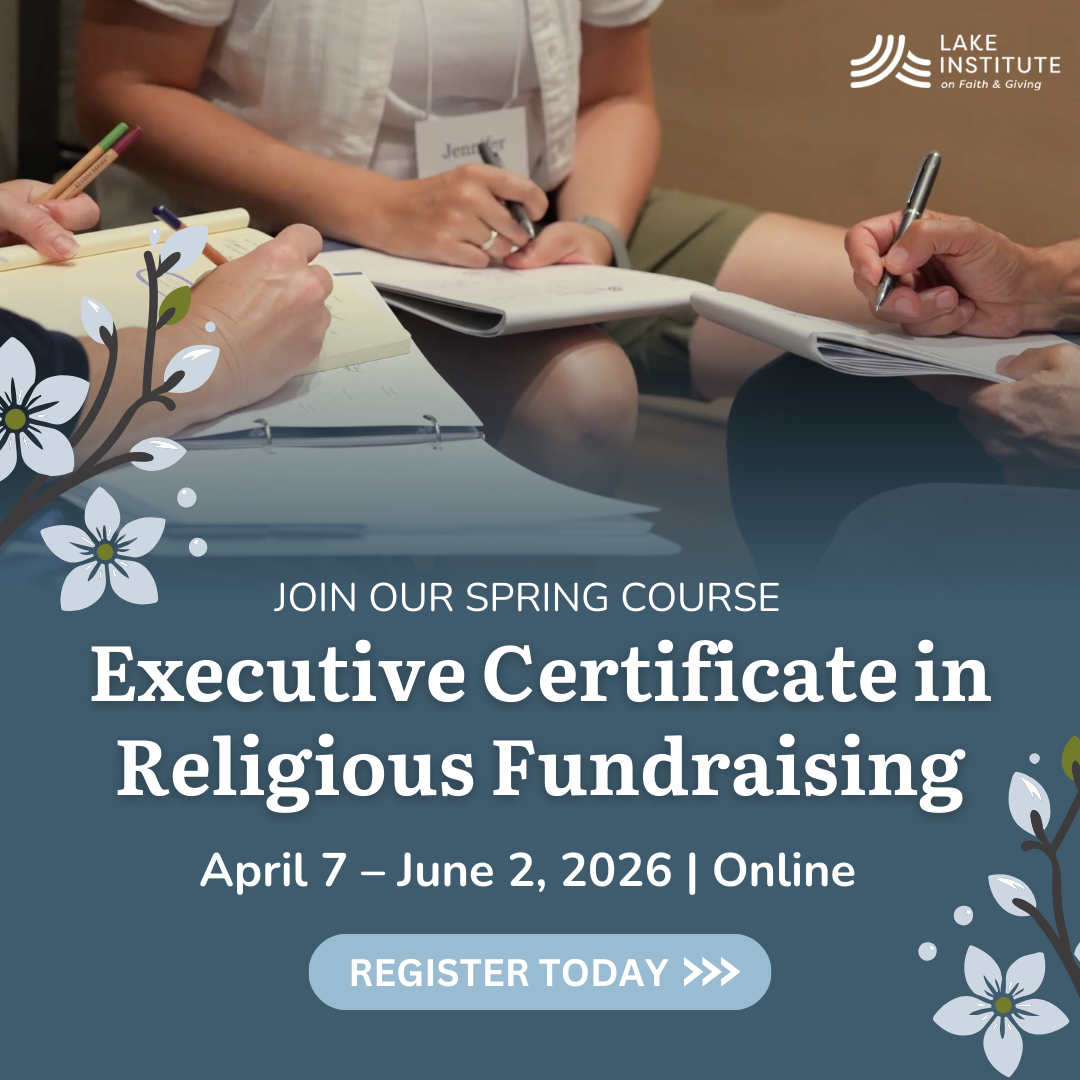
Grow your skills and deepen your impact with the Executive Certificate in Religious Fundraising (ECRF) eight-week online course this spring! You’ll explore the spirituality and practice of fundraising, learn research-based tools and strategies unique to religious communities, and complete a practical application project to bring these insights to life in your ministry.
Registration for the April 2026 online cohort is still open. Secure your spot today!
REGISTER TODAY
Subscribe
Insights is a bi-weekly e-newsletter for the religious community and fundraisers of faith-based organizations that provides:
- Reflections on important developments in the field of faith and giving
- Recommended books, studies and articles
- Upcoming Lake Institute events