
A Thanksgiving Tradition of Presence
A Thanksgiving Tradition of Presence
By José Daniel Montañez
Central Church of God in San Antonio, also known as Iglesia de Dios Central de San Antonio, is one of the city’s oldest Latino congregations. It is rooted in San Antonio’s long-underinvested southwest, where many in the surrounding community—and in the church itself—face persistent poverty. Still, the church is committed to generosity in many forms. It considers one of its most significant acts of service to be its Annual Community Thanksgiving Lunch.
What began in 2006 as a simple act of gratitude has grown into a tradition deeply rooted in the congregation’s identity.
That first year, 300 meals were served. The budget was small and there were no corporate sponsors. There was something the congregation believed to be more powerful: a church convinced that faith is demonstrated through concrete actions.
Members donated turkeys. Families shared recipes. Young people set tables. Children prepared posters with Bible verses. From the beginning, everything was donated and prepared by the congregation itself. Every turkey roasted, every portion served, every dessert delivered became a tangible expression of love.
Over the years, the project grew not only in number but also in significance. The community began to look forward to that day with excitement. For many neighbors, it was not just a free meal but a place where someone looked them in the eye and was genuinely interested in them.
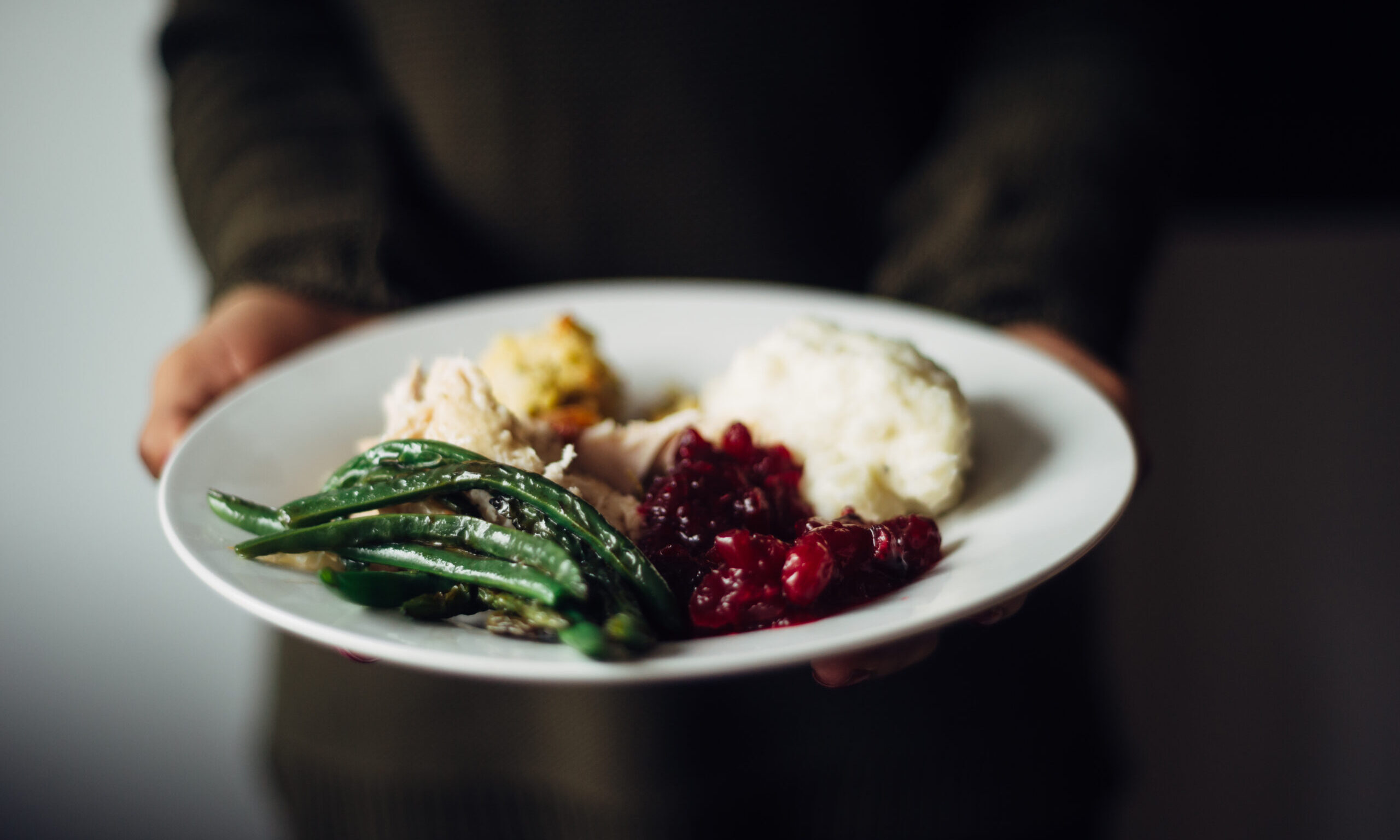
Now, every November, more than 40 turkeys are donated and carefully prepared. From early in the morning, the kitchen is filled with steam, laughter, and prayers. Some cook, others set the tables, and still others pray for each person who will walk through the doors. For church members, the service becomes a living form of worship.
In 2025, marking twenty consecutive years of this initiative, 875 meals were served. But the significance of this growth went beyond numbers; it was a testament to sustained commitment. That year, in addition to hot meals, prayer stations were offered where volunteers listened to stories of pain and hope. Clothing, coats, shoes, and hygiene items were also distributed. The lunch had become an integral expression of care and compassion.
One local mother of four reflected on the lunch: “The church members treat you with respect and great kindness. They’re always looking out for you and make us feel like family. At the events, we always find food, clothing, and, above all, lots of fun. My family and I never miss it.”
However, sustaining this ministry has not been without challenges. During the pandemic, the church had to change its traditional model. Shared tables and hugs were replaced by drive-through service. Wearing masks and gloves, volunteers handed out meals through car windows. Efficiency increased, but the warmth of human connection diminished.
Many members missed sitting next to their neighbors and sharing time together face-to-face. However, the church never stopped serving. They adapted responsibly and offered a drive-through service, demonstrating that love finds a way even when circumstances limit contact.
When the pandemic subsided, full tables, conversations, and prayer circles resumed. Children ran between chairs again. The church and community rediscovered a sense of gratitude for their shared presence.
“Every November, the congregation feels a sacred anticipation,” says the church’s lead pastor, Rev. José Daniel Montañez. “The luncheon reminds us that the Church is called not only to gather for worship, but also to serve our community. It’s an opportunity to share Christ’s love in practical ways.”
In recent years, the outreach has expanded even more. Not everyone could come to church, so the church decided to go to them. A team began bringing Thanksgiving meals to people experiencing homelessness in downtown San Antonio. Under bridges and along sidewalks, volunteers witnessed a deep gratitude for the church’s gift of presence.
Twenty years after those first 300 plates, the church believes its Annual Thanksgiving Lunch has fed both bodies and hearts. It has woven relationships, opened doors for meaningful conversations, and sown hope amid complex realities.
Central Church of God has not relied on outside funding to sustain this ministry but on its conviction that when God’s people share what they have, it is always enough. Every turkey donated, every hour of service, and every prayer offered has been a silent declaration of faith.
This story is part of Lake Institute’s story collection, the Faithful Generosity Story Shelf, which highlights congregations and other religious organizations who have sought to use their assets and resources in creative—and sometimes surprising—ways as an expression of faithful giving.
Each entry in our Story Shelf is short enough to be read and discussed during a committee meeting or other group gathering. Our hope is that these accessible vignettes will spark new questions, conversation, and imagination among clergy and laity about what might be possible with the funds, buildings, land, and other resources in their care. If you know a story that should be included in the Story Shelf, suggest it here.
Subscribe
Insights is a bi-weekly e-newsletter for the religious community and fundraisers of faith-based organizations that provides:
- Reflections on important developments in the field of faith and giving
- Recommended books, studies and articles
- Upcoming Lake Institute events