
Fundraising Through Your Digital Front Door
Fundraising Through Your Digital Front Door
By Meredith McNabb, Associate Director of Education, Lake Institute on Faith & Giving
 Your congregation’s or organization’s most prominent fundraising may happen when you’re not even there to welcome the prospective giver or share who you are and what you do. Well, not exactly “not there”—but not there in person. Your digital front door, whether it’s your website or your social media page, is doing a lot of heavy lifting for potential giving, and there are ways to maximize the job that it’s doing.
Your congregation or organization may be fundraising without you—well, without your physical presence welcoming prospective givers and talking about who you are and what you do. It’s your digital “front door,” your website or social media page, that does much of the heavy lifting of donor cultivation. There are ways to maximize how it does this critical work.
First: Are the nuts and bolts of giving up to date?
Today, that means that you have a digital giving option, and that it’s easy to find and use. The giving button should be in a top corner of your webpage header, not buried three menus deep. It’s a great practice to invite members of your board and/or senior staff to test out the button with modest gifts from time to time to make sure that the logistics and the communication follow-ups are working the way you intend for them to work.
The digital front door is supporting more than online giving, though: it should also give an accurate mailing address (and a physical address, if it’s different) and an active, up-to-date way to contact someone for more information. Attorneys handling estate gifts, community foundation leaders handling donor advised fund gifts (DAFs), donors looking to give stock or qualified charitable distributions (QCDs), and others often need a way to get in touch to confirm additional information to complete their gifts. Make sure a contact person who will respond is easy to find, and check the information at least annually, if not seasonally, to ensure the right person will be at the other end of the line.
This checkup is important for more than the prospective giver experience—it also gives you a chance to make sure that staff listings, opportunities to volunteer, upcoming events, and, for congregations, service times are all accurate. This paves the way for new volunteers, members, and givers to get involved. The ease of use of all these digital front door nuts and bolts is part of the goal here, but paying attention to these technical pieces also builds a foundation of confidence for a prospective donor that the organization is effective and responsible and a worthy place to make a gift.
Second: Beyond the logistics of giving, is your digital front door showing and telling who you really are and what you really do?
All day every day, the website, socials page, or profile is telling the world what you’re about, and you want that witness to inspire and invite people to get involved with their time and their resources. Here is where you may need a friendly outsider to take a fresh look, since those of us leading a congregation or organization can lose perspective—using insider jargon and making assumptions about your audience. As more people grow up disconnected from any religious tradition, and as more people grow up without a regular practice of making financial gifts to charitable organizations, religious nonprofits and congregations need to be crystal clear about what they do and what a gift to and through them accomplishes.
What can you highlight about recent events or core practices that will show (not tell) what you’re about? Here is where actual pictures, not stock images (and definitely not AI images!), and real quotes from participants will bring your story to life and build trust and connection with the organization. What concrete facts and figures can give more context to what it would mean to support your organization or congregation with a gift?
Consider:
- Who are you serving and/or what need do you address?
- How long have you been doing it?
- What’s important to know about your organization’s or your leadership’s expertise or affiliations? Who are key staff or members of your board?
- Have you received any grants or recognition for your organization’s work?
Each context is going to be “making the case” a bit differently, and congregations especially may not be accustomed to telling their story in this way. It may help to imagine that a benevolent but unfamiliar legal or financial adviser for a distantly connected potential giver is viewing your digital front door as they determine where to recommend making a gift. What information would help that adviser know that they should recommend your setting? (That may feel like a strange hypothetical, but it’s how many philanthropic advisers, foundation program officers, and others who may never visit you in person gather information—which can significantly affect giving. Plus, the information also influences individuals who stumble across your pages and consider getting involved. Having an up-to-date digital front door also helps to strengthen your SEO (search engine optimization) which helps people find you in the first place!)
A bonus third way to strengthen the fundraising that happens on your digital front door is more of a digital “side door” effort: Is the information about your congregation or organization accurate and up to date in places other than your own site to help potential donors know you, reach you, and trust you?
These might be sites with denominational listings, Google maps, your Candid profile, or community or affinity group resource pages. You won’t have as much control about what gets posted on any of those side doors as on your own site or profile, but it’s worth updating what you can and keeping an eye on online reviews, hours of operation, contact information, and the like to help would-be donors find accurate information about you.
Your digital front door can’t be a substitute for developing a real relationship with the people who give to your congregation or organization, but it’s often the first point of contact for a prospective giver or a pivot point to help a would-be giver complete their gift. Keeping it accurate, up to date, and attractive is a critical part of welcoming others to join in your good work in the world.
From SEO to AI: Optimizing Your Digital Front Door
By Emily Heck, President & Founder, Evergreen Strategic Communications

I often frantically hear from organizations that they need to spruce up their website. They’ve squeezed every ounce of use out of it, and it’s become outdated, lacking functionality, and sometimes on the verge of crashing. It’s a common problem, especially when there are so many other needs rising to the top of the priority list of a religious organization.
However, when the time comes to build a new website, search engine optimization (SEO) needs to be as high of a priority as selecting the image at the top of the home page. Simply, when someone searches a term on Google or another search engine, you want your website to rank as high as possible in the results to increase the likelihood that a user will visit.
There’s so much opportunity for your organization to rank well on search engines by being intentional with your website content, and with the introduction of artificial intelligence (AI), there are more sources than ever that are gathering information about your organization and you need to make sure they are accurate. So while tidying up your digital front door may mean a fresh coat of paint, it’s also ensuring people can find you on the street.
Planning Content for Search Engines
Search engines use the words and terms a user enters to scan millions of websites in order to provide the most relevant results possible. If your website utilizes the keywords and terms well, you will rank higher in the results. While you’re planning your color palette or menu layout, it’s also important to intentionally plan your content and identify the keywords users are likely to search for when looking for content, services, or resources you provide.
A simple start to using keywords is ensuring your page titles, subheadings, and body copy include your selected keywords. The key is identifying words and terms that users are most likely to search—which could be different than your own internal language. For example, an organization may identify itself as working with congregations, but keyword research shows that users are more likely to use the word churches. It takes finding a good balance between your own brand messaging and meeting the needs and expectations of your current and potential audience in order to meet SEO best practices and accurately portray your organization.
To take SEO one step further, adding a meta description with keywords enhances ranking results by offering more content for the search engine to scan. A meta description is a 120-160 character description about the content of the webpage and can be inserted in the SEO section of the webpage editor.
The Role of AI in Today’s Websites
We’re stuck in an in-between world right now where websites must be optimized not only for search engines but also for AI. Unfortunately, the two formats use different elements to identify information. SEO is more data focused on the quantity of keywords to pull results while AI uses context and quality of content to gather responses.
To use an old-school example, I like to think of the difference between SEO and AI as locating a book in a library. Think of SEO as using the library’s computer to look up the book’s call number whereas AI is asking a librarian and you get not only the book’s location, but also recommendations for similar books.
The balance is developing content that uses keywords while also establishing expertise on your content. This can include Q&A lists, thought leadership blogs that explain the “why” behind topics, and gathering reviews and testimonials on the strength and benefits of your organization.
Paid Versus Organic Search
Digital advertising is a great tool in your marketing toolbox for enhancing your visibility directly to your audience. However, whenever a client brings up the option of paid search, my response is typically the same: we need to get your organic house in order before we can get the most out of paid sources.
We can garner major website views by pouring a lot of money into paid search, but if users come to the site and there’s no way to engage or reason to return, we’ve wasted that money. In addition, if we can elevate search rankings through organic tactics, paid search can only elevate the website even higher in search results. In preparing for paid search, your focus should be on the user experience, navigation, content and messaging clarity, and SEO and AI best practices.
Ensuring your website serves as a welcoming digital front door can seem like an overwhelming process. However, the same intentional care should be taken with developing your website as you would with developing programs or ministries. Mindfully taking the first steps so that users may easily find your website followed by keeping it accurate, up to date, and attractive will ensure your website continues to work effectively for your organization.
After years of working in the nonprofit and higher education industries, Emily Heck launched Evergreen Strategic Communications in 2019 with the goal of helping nonprofit, education, and faith-based organizations who may not have the time, resources, or skillset to grow their engagement through marketing and fundraising. Emily started her career at the Crossroads of America Council, Boy Scouts of America where she led the marketing department for the 36,000-member council. In 2017, Emily joined the staff of the Butler University marketing department where she managed the marketing strategy for University Advancement and its departments including launching Butler Beyond, the University’s largest comprehensive fundraising campaign. Emily is a graduate of Butler University and earned her Master of Business Administration from University of Indianapolis.
2026 In-Person ECRF Opportunities

Attend an in-person Executive Certificate in Religious Fundraising (ECRF) course this year and deepen your impact within your congregation or faith community.
During the course, you’ll explore the spirituality and practice of fundraising while learning research-based tools and strategies unique to religious communities. Register today to reserve your spot!
Preserving & Sharing Latino Culture
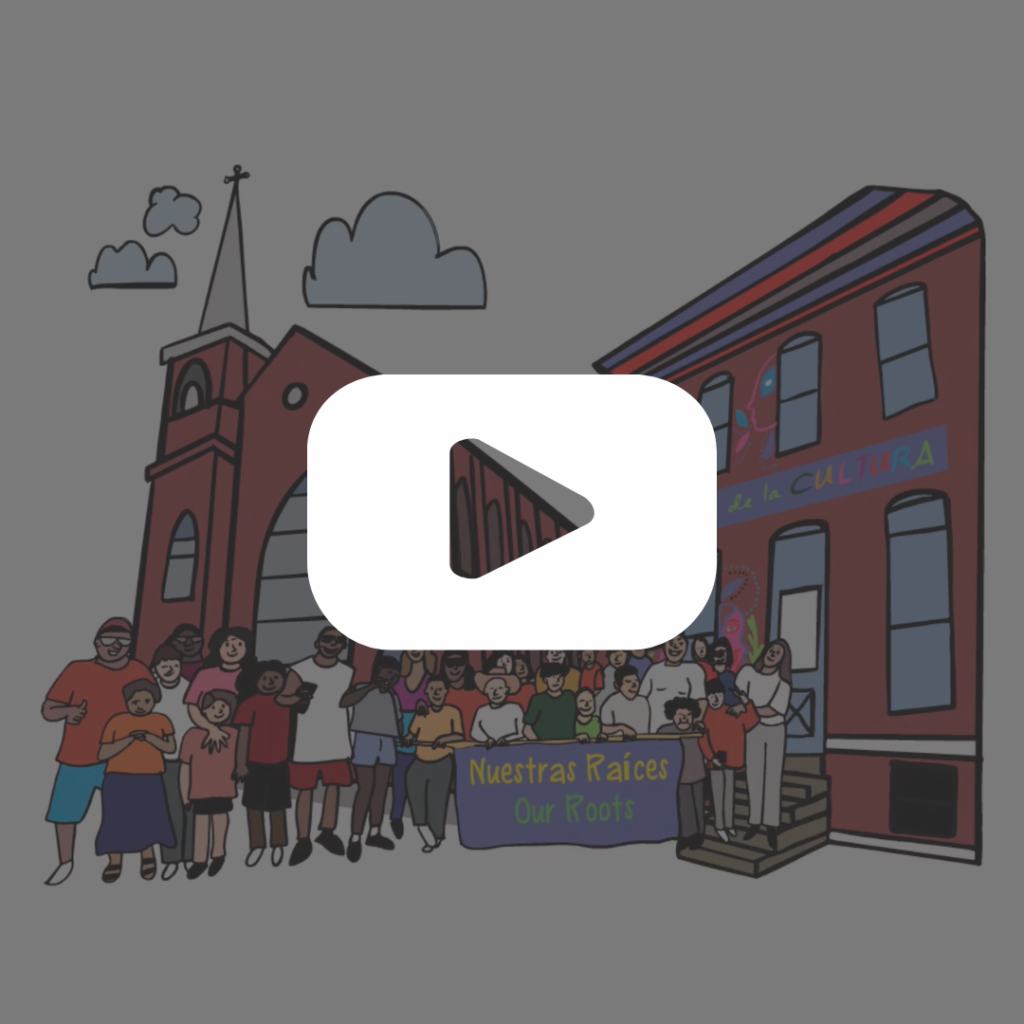
From Lake Institute’s Faithful Generosity Story Shelf, this illustrated story shares how one congregation transformed a fixer-upper parsonage into a vibrant community center—creating a space to celebrate Latino culture and connect across cultural, generational, and denominational lines.
Subscribe
Insights is a bi-weekly e-newsletter for the religious community and fundraisers of faith-based organizations that provides:
- Reflections on important developments in the field of faith and giving
- Recommended books, studies and articles
- Upcoming Lake Institute events