

Challah and Intergenerational Generosity
Challah and Intergenerational Generosity
By Danielle Segal
Located in Western Massachusetts, The Jewish Community of Amherst is the spiritual and cultural home to 400 families. The sole synagogue in a vibrant college town, the community holds a Religious School, family programming, and a deep-rooted dedication to volunteering and social justice.
In the past, they facilitated an intergenerational program for the elderly and 6th and 7th graders in their community to connect with each other. After many years of this valuable intergenerational connection, Keren Rhodes (Executive/Education Director at the Jewish Community of Amherst) recounts that, although it was a positive framework met with enthusiasm, it needed something more. “We tried themes and book clubs,” recalls Keren Rhodes, “and sometimes it worked and sometimes it didn’t.”
Then, they learned of a model for practicing intergenerational philanthropy. Honeycomb, a leading resource for Jewish youth philanthropy, provided the synagogue with resources as part of their Opening the Dor initiative – a curriculum for intergenerational giving (“Dor” means “generation” in Hebrew).
The students and seniors began coming together once a month to discuss their values, the change they wanted to see in the world, and to learn from each other. Then they picked a guiding group value, researched local nonprofits, and made a joint decision about who they wanted to support through a grant. Learnings from guest speakers and their intergenerational connection informed this philanthropic decision-making. They funded the grant through their own fundraising efforts.
This model also solved another issue that the synagogue was facing in relation to their Bar/Bat Mitzvah process. In the run-up to children’s Bar or Bat Mitzvah (a coming-of-age ceremony in the Jewish faith that takes place around the child’s twelfth or thirteenth birthday), the participants were required to do Mitzvah projects (volunteer or social action projects). However, there were very few nonprofits in the area that could accommodate pre-teen volunteers, so the teachers were finding it increasingly difficult to find meaningful volunteer projects. By instead getting involved with the philanthropy group, they focused on intergenerational conversation, connection, and philanthropic giving. The students were able to volunteer with the group of seniors to fundraise and award an impactful grant – they were learning, grantmaking, and creating positive change through an alternative to traditional volunteering models.
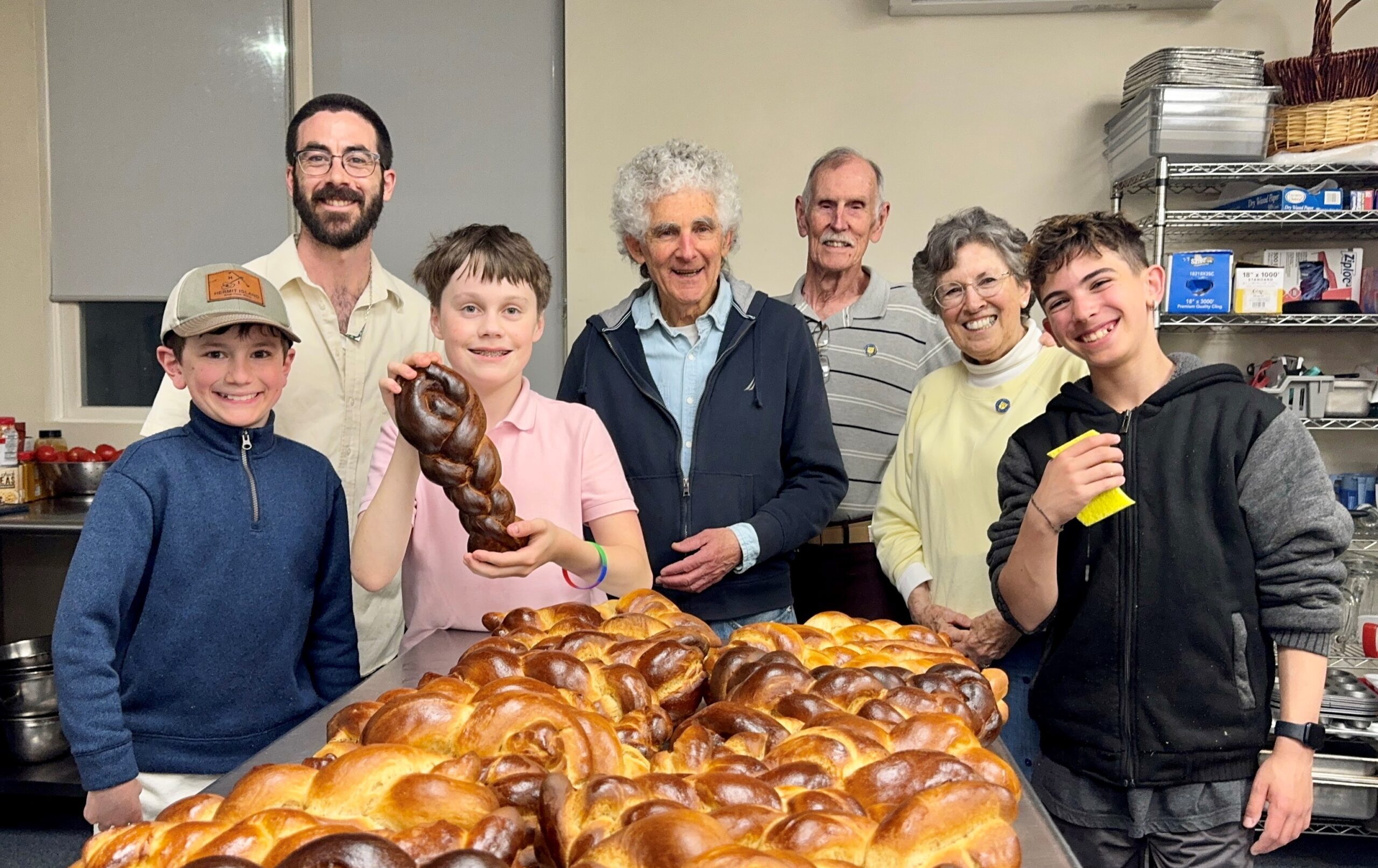
In 2026, the students raised $2,000 for their granting pool, with the majority being donated to the Amherst Survival Center, which provides food and access to other critical resources to those in need. The main fundraising project involved pre-selling Challah bread, and then again bringing the students and seniors together in a shared moment to bake and braid the bread to fulfill the orders. It was a highly successful fundraiser that they will repeat next year.
Overall, Keren noticed very positive effects from both the students and the seniors involved, “We had rave reviews from the teachers. The teens don’t want to miss class.” One senior even wrote a poem to illustrate what a meaningful experience it was. Keren also noted that the seniors who were showing up for this programming were not necessarily the “usual” ones – the program was attracting seniors who might not have otherwise been involved, creating a new, meaningful touchpoint for elderly engagement.
The reciprocal learning between the generations was palpable. One senior participant noted: “The young people are electric and energetic. I appreciated so much their ability to speak up, make sense and promote their ideas. I trust that the younger generation learned some tidbits from my [senior] contemporaries. I know that I learned from them.”
The synagogue plans to continue offering the program. The combination of philanthropy, intergenerational conversation, community building, and change-making is producing positive ripple effects that will last for generations.
This story is part of Lake Institute’s story collection, the Faithful Generosity Story Shelf, which highlights congregations and other religious organizations who have sought to use their assets and resources in creative—and sometimes surprising—ways as an expression of faithful giving.
Each entry in our Story Shelf is short enough to be read and discussed during a committee meeting or other group gathering. Our hope is that these accessible vignettes will spark new questions, conversation, and imagination among clergy and laity about what might be possible with the funds, buildings, land, and other resources in their care. If you know a story that should be included in the Story Shelf, suggest it here.
Subscribe
Insights is a bi-weekly e-newsletter for the religious community and fundraisers of faith-based organizations that provides:
- Reflections on important developments in the field of faith and giving
- Recommended books, studies and articles
- Upcoming Lake Institute events