

Abundance, Trust, and Repair: Black Theological Perspectives on Giving
Abundance, Trust, and Repair: Black Theological Perspectives on Giving
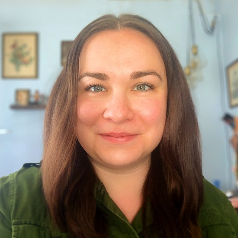
By Hannah Garvey, Event Coordinator, Lake Institute on Faith & Giving
On September 21st, 2026, the Center for the Church and the Black Experience at Garrett-Evangelical Theological Seminary joined Lake Institute on Faith & Giving to host sixteen scholar-practitioners in Indianapolis for Abundance, Trust, and Repair: Black Theological Perspectives on Giving. Inspired by the imagination and collaboration between project leaders Dr. Reginald Blount (Garrett) and Dr. Carlos Perkins (Lake Institute), Abundance, Trust, and Repair was designed to gather Black faith community thinkers for sustained, intentional, and creative discussions about generosity and philanthropy in Black theological spaces. Abundance, Trust, and Repair (ATR), which is part of the Philanthropy and the Black Church project, is a next step towards that project’s main mission of increasing mutual understanding and collaboration between Black churches and philanthropic organizations.
At the heart of Abundance, Trust, and Repair are the chapters written by the sixteen Black scholar-practitioners in anticipation of the gathering. Competitively selected from nationwide proposal submissions, these Black faith leaders, researchers, organizers, and innovators, use their writing to offer unique perspectives—informed by place, denomination, and history—on how giving has been characterized in Black church spaces, as well as how it could (and arguably should) be both theorized and mobilized to support future Black economic and theological flourishing. Over the course of two days, the sixteen ATR writers (see full list below) participated in eight rounds of paper workshopping. In each round, a writer offered a brief oral presentation of their work before hearing a prompting response from one of four pre-selected paper “coaches.” Coaches included Rev. Dr. Susan Buckson Ephraim (Pastor, Allen Temple AME Church Atlanta, GA), Dr. Tiffany B. Bennett-Cornelous (Shaw University and adjunct faculty at Lake Institute), Dr. Anthony L. Heaven (Assistant Professor, IU LFSOP), and Dr. Joseph L. Tucker Edmonds (Associate Professor, IUI).
Conversations were lively, insightful, and gracious throughout the convening held at the historic Polk Stables. Once home to the horses that pulled Polk milk wagons across the city 135 years ago, Polk Stables is now a restored co-working and event space that radiates with the soul of the Martindale-Brightwood neighborhood in which it sits. ATR’s main event space, the Polklore Museum, is expertly curated to showcase original portraiture of neighborhood locals, cultural artifacts from around the Indy, as well as the historic architecture of the building itself.
Had you wandered through Polk Stables while Abundance, Trust, and Repair was gathered you would have had the opportunity to overhear conversations about womanist models of stewardship, non-monetary rituals of generosity, and how strategies of survival cultivate practices of abundance. Writers connected over alternative processes for asset mapping in Black faith communities, novel methods for economic redistribution towards justice, and revisiting traditional Christian theological notions of giving with fresh eyes. While the Abundance, Trust, and Repair project is oriented towards transforming future discussions around generosity in the Black church, it also emerges from economic atmospheres informed by mistrust, skepticism, and trauma in those same spaces. ATR aims to offer conceptual and practical ways for both Black congregations and organized philanthropy to begin the important work towards mutual understanding and resource sharing.
In addition to paper workshopping and discussions, ATR participants were treated to three inspired talks from invited speakers including Rev. Dr. Karen Jackson-Weaver, Rev. Dr. Kenneth Sullivan, and Kiahna W. Davis.
Abundance, Trust, and Repair is not finished yet. In the coming weeks, writers will be submitting their revised chapters based on coach and peer feedback received during the in-person gathering in Indianapolis. Upon resubmission, project leaders Dr. Perkins and Dr. Blount in collaboration with Lake Institute staff, will begin the process of editing this rich compilation of essays into a volume for publication.
On the whole, Abundance, Trust, and Repair created a rare space for participants to inhabit and embrace their whole selves as scholars, practitioners, and community leaders. Through group workshopping, one-on-one discussions, and over meals thoughtfully executed by Gloria’s Catering and Taste of Innova, the sixteen writers, four coaches, invited speakers, guests, and Lake staff created the remarkable: an intellectually curious and spiritually generous community.
Thanks to the intentional direction of Lake Institute, participants were encouraged to allow experience to inform methodologies, history to shape proposals, and theology to orient practical research questions. The goal is that this expansive approach will be a unique resource to leaders in philanthropic and theological scholarship, and especially to those working in institutional philanthropy and Black faith communities.
Writers for Abundance, Trust, and Repair: Black Theological Perspectives on Giving
- Jamal Donaldson Briggs, MS (Buford, GA)
- Rev. Dr. Jonathan E.L. Brooks (Chicago, IL)
- JC Campbell (Newburgh, IN)
- Beverne Cordner, MPA (Hartford, CT)
- Kevin Dudley (Columbus, OH)
- Re. Dr. Que English (Oxford, CT)
- Valaida Fullwood (Charlotte, NC)
- Christopher Hampton (Atlanta, GA)
- Rev. Dr. Kenya Joyce Hatch, MBA, D.Min (Chicago, IL)
- Rev. Dr. Sanetta George Jackson (Chicago, IL)
- Dr. Steven Jefferson (Baltimore, MD)
- Dr. Felicia LaBoy (Elgin, IL)
- Rev. N. Nichole Middleton, D.Min (Florence, SC)
- Rev. Dr. Rashad Moore (Brooklyn, NY)
- Quinita Ogletree, M.Div, Ph.D. (Houston, TX)
- Tina M. Patton, Pastor (South Bend, IN)
Born and raised in Indianapolis, Hannah Garvey joined Lake earlier this summer to assist with the ATR project. She earned her PhD in Religious Studies from Indiana University, Bloomington in 2024.
Her dissertation, Opacity and the Strange Meaning of Being Black, explores how opacity functions as both an aesthetic and religious mode of being in Black visual and textual art, with specific arguments about W.E.B. Du Bois’ data visualizations, Richard Wright’s Native Son, and Ralph Ellison’s Invisible Man. Most recently, Hannah served as postdoctoral fellow at the Center for Religion and the Human where she ran the Teaching Religion in Public initiative for two years.
Why Abundance, Trust, and Repair? A Theological Journey from Experience to Understanding
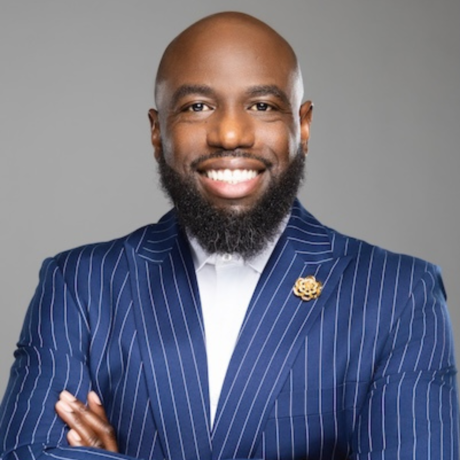
By Dr. Carlos W. Perkins, Associate Director for Engagement, Lake Institute on Faith & Giving
The Abundance, Trust, and Repair project emerged from the voices of Black faith leaders who desire to see their experiences, theological perspectives, and practices of generosity reflected in the scholarship that informs the field of faith and giving. Its purpose is to bring these often-underrepresented voices into conversation with academic research and philanthropic practice, challenging prevailing assumptions about generosity, stewardship, and the Black Church. By connecting lived experience with scholarly inquiry, the compilation seeks to expand the field’s understanding of Black religious philanthropy, offer practical insights for congregational leaders, and provide a foundation for more equitable and reciprocal relationships between Black churches and philanthropic institutions. Ultimately, this work seeks to move beyond documenting experiences toward shaping how generosity is understood, taught, cultivated, and practiced.
As both a pastor and practitioner-scholar, I understand my vocation as a contextual interpreter, translating academic research into congregational practice while ensuring that, as practitioners, our wisdom informs and challenges scholarly inquiry. Over the past three years, through the Executive Certificate in Religious Fundraising (ECRF), offered in partnership with Oikos Institute for Social Impact, the African Methodist Episcopal Zion Church, Raleigh Interdenominational Ministerial Alliance, North Carolina Baptist State Convention and the Fourth Episcopal District of the African Methodist Episcopal Church, we have listened to Black faith leaders wrestle with profound questions about philanthropy, generosity, and stewardship. Their conversations revealed tensions between traditional stewardship teachings and emerging generations of givers, between theological convictions and financial trauma, and between cultivating generosity and confronting persistent economic inequities. These conversations affirmed something essential: Black churches have never simply been recipients of philanthropy. They have historically been architects of generosity, community transformation, and collective resilience. Yet their experiences and theological perspectives remain underrepresented in contemporary philanthropic scholarship.
The project emerged from leaders who desire to see their experiences reflected in the literature shaping faith and giving. Its purpose is to elevate their lived experiences, theological reflections, and generosity practices as essential sources of knowledge. By bringing congregational wisdom into conversation with academic research, we seek to challenge prevailing assumptions, strengthen philanthropic relationships, and develop practical approaches to cultivating generosity grounded in abundance rather than scarcity. Ultimately, this project moves beyond documenting experiences toward reshaping how generosity is understood, taught, and practiced. It is about restoring trust, advancing repair, and ensuring that Black faith communities help shape philanthropy’s future.
The Abundance, Trust, and Repair project represents the next step in the Philanthropy and the Black Church Project’s mission to increase mutual understanding and collaboration between Black churches and philanthropic organizations. At its heart, this initiative seeks to bridge academic research, lived experience, and the practice of generosity within Black faith communities.
Plan Ahead for 2027 ECRF Courses
The Executive Certificate in Religious Fundraising (ECRF) is an eight-week online or three-day in-person religious fundraising course with a practical application project. It provides the research, tools, and customized training to meet the growing needs of leaders in religious communities and fundraisers of faith-based organizations.
Plan ahead for 2027! The ECRF course schedule and registration information are now available. Explore upcoming opportunities and find the option that works best for you.
Apply for the 2027 Dissertation Fellowship
Are you a PhD candidate conducting research at the intersection of faith and giving? The Lake Doctoral Dissertation Fellowship offers a one-year grant to support your final year of dissertation writing at a U.S. graduate school.
Scholars from a wide range of disciplines are encouraged to apply. Applications are due Sunday, January 17, 2027.
Subscribe
Insights is a bi-weekly e-newsletter for the religious community and fundraisers of faith-based organizations that provides:
- Reflections on important developments in the field of faith and giving
- Recommended books, studies and articles
- Upcoming Lake Institute events