Despite limited financial resources, a Latino church in San Antonio has sustained a 20-year Thanksgiving meal ministry through the commitment and generosity of its congregation.
Resource Library

 Lake Institute on Faith and Giving
The following stories are part of Lake Institute’s story collection, The Faithful Generosity Story Shelf, which highlights congregations and other religious organizations who have sought to use their assets and resources in creative—and sometimes surprising—ways as an expression of faithful giving.
Each entry in our Story Shelf is short enough to be read and discussed during a committee meeting or other group gathering. Our hope is that these accessible vignettes will spark new questions, conversation, and imagination among clergy and laity about what might be possible with the funds, buildings, land, and other resources in their care. Learn about Ways to Use the Story Shelf. If you know a story that should be included in the Story Shelf, submit it here.
description
link
description
link
description
link
description
link
description
link
description
link
description
link
description
link
Despite limited financial resources, a Latino church in San Antonio has sustained a 20-year Thanksgiving meal ministry through the commitment and generosity of its congregation.
A synagogue brings together seniors and youth to talk about the change they want to see in the world, learn about local nonprofits, raise funds, and distribute grant money.
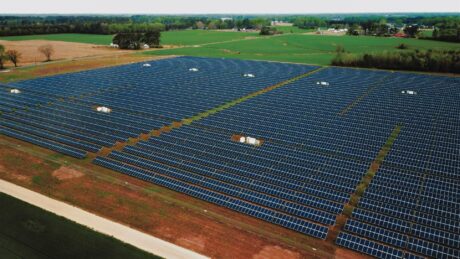
When a century-old congregation faced an enormous price tag for essential repairs, they found a way to stay, keep worshiping, and provide affordable housing for seniors.
Origin Church constructed a new building in hopes that their congregation would grow to fill it. When that didn't happen, they gave it to a local journalism organization whose values matched their own.
Through neighborhood canvassing, a pastor felt his church was called to be a convener of organizations already at work in the community, rather than create something new.
The trust built by a church in Galveston, Texas, is translating into better access to treatment at a free clinic staffed by health care providers and housed in former Sunday school classrooms.
Instead of asking people to come to their church for a hot meal, Emmanuel Episcopal operated a free hot dog cart around the city to feed those experiencing homelessness.
A church turns their parking lot into a free-of-cost auto repair shop twice a year to ensure those with limited resources have safe and well-functioning vehicles.
A comedian-turned-pastor opened an alcohol-free comedy club in his church's basement to support the sober community.
When a church invites a line dancing group to use its basement for practice, a mutually beneficial relationship develops.
Insights is a bi-weekly e-newsletter for the religious community and fundraisers of faith-based organizations that provides: