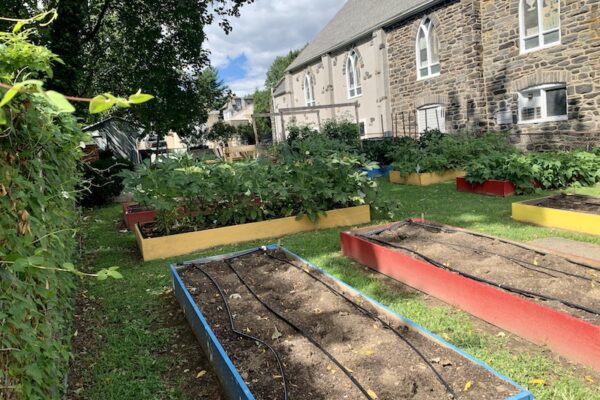
Bethel A.M.E Church of Ardmore responded to food insecurity in their community by starting a garden on their property. The project started with one bed and now has 15 that produced 1,200 pounds of food in 2022.

 Lake Institute on Faith and Giving

This story collection highlights congregations and other religious groups who are using their assets and resources in creative ways as an expression of faithful giving. Each story is short enough to read and discuss during a committee meeting or other group gathering. Use these accessible vignettes to spark new questions, conversation, and imagination with your leaders about funds, buildings, land, and other resources in your care. If you know a story that should be included in the Story Shelf, suggest it here.

An enterprising pastor in Wilson, North Carolina pushed his congregation to revive its nonprofit and launch a plan to improve seven properties.
Amid calls for reparations, Arlington Community Church launched a foundation to lend interest-free funds to help Black Americans purchase their first home in their community.
Atlanta’s First Presbyterian Church launched a social entrepreneurship program to recognize how God was already moving in their city and to provide business mentorship and financial assistance to aspiring social entrepreneurs.

Despite limited financial resources, a Latino church in San Antonio has sustained a 20-year Thanksgiving meal ministry through the commitment and generosity of its congregation.
A synagogue brings together seniors and youth to talk about the change they want to see in the world, learn about local nonprofits, raise funds, and distribute grant money.
Instead of asking people to come to their church for a hot meal, Emmanuel Episcopal operated a free hot dog cart around the city to feed those experiencing homelessness.

The congregation of Biltmore United Methodist Church sold their property and is devoting their energy and resources toward responding to Asheville, North Carolina’s most pressing social needs.
A rural Tennessee church closes with one final, old-time singing and a donation to a Christian disaster relief agency.
Hudson River Presbytery transferred the title of former church to the Indigenous-led Sweetwater Cultural Center as a "pledge of partnership" and in an effort to make amends for harm done to Native American populations.

When a century-old congregation faced an enormous price tag for essential repairs, they found a way to stay, keep worshiping, and provide affordable housing for seniors.
Origin Church constructed a new building in hopes that their congregation would grow to fill it. When that didn't happen, they gave it to a local journalism organization whose values matched their own.
Through neighborhood canvassing, a pastor felt his church was called to be a convener of organizations already at work in the community, rather than create something new.
Bethel A.M.E Church of Ardmore responded to food insecurity in their community by starting a garden on their property. The project started with one bed and now has 15 that produced 1,200 pounds of food in 2022.
After a flood did major damage to Bethel Church of Morristown, its pastor had a vision of rebuilding their property with support from outside of the congregation and to meet the needs of the larger community.
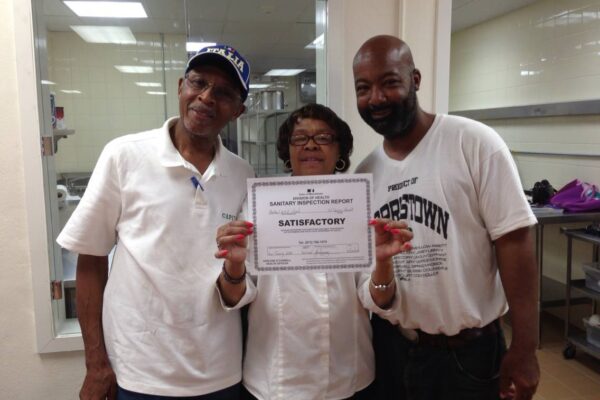
Hudson River Presbytery transferred the title of former church to the Indigenous-led Sweetwater Cultural Center as a "pledge of partnership" and in an effort to make amends for harm done to Native American populations.
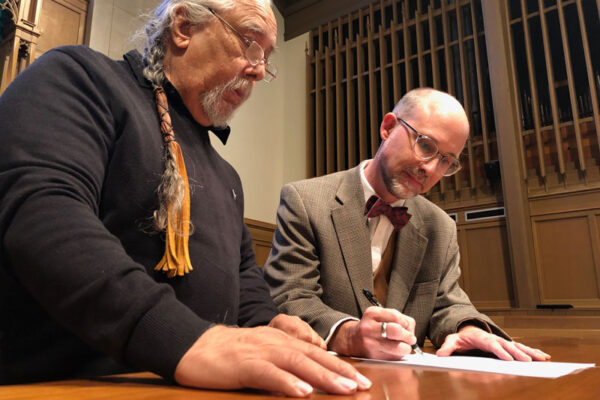
Amid calls for reparations, Arlington Community Church launched a foundation to lend interest-free funds to help Black Americans purchase their first home in their community.

St. Paul’s United Methodist Church used their extra church building to support a nonprofit focused on one of the most urgent and challenging social problems in their community.
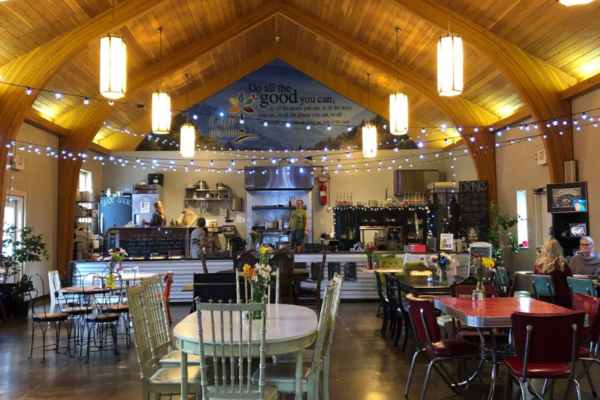
Struggling with the financial realities of a small and aging congregation, Altama Presbyterian Church sold their property at a reduced cost to a local nonprofit because its mission aligned with their own.
The Community Church in Ada, Michigan combines their natural tendency for hospitality and fun with intentional community engagement to host an annual event that draws thousands of people each December to their church parking lot.

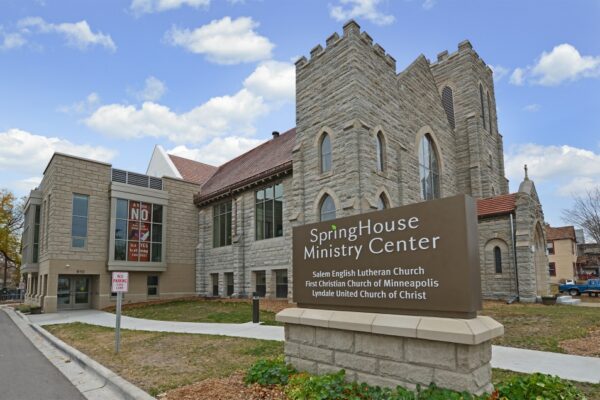
A Lutheran church, UCC church, and Disciples of Christ church in Minneapolis renovated a church building to fit the worship space needs of the three churches simultaneously.
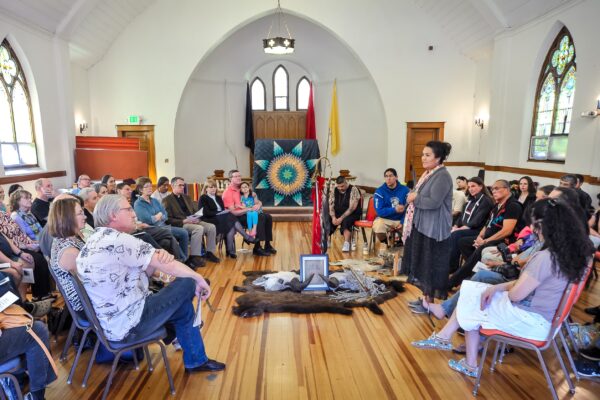
Rather than sell one of its properties for substantial profit, the Rocky Mountain Synod of the ELCA transferred ownership to Four Winds American Indian Council in a small but meaningful act of decolonization.
Davis Street UMC is selling its campus near downtown Burlington, NC to an. organization that provides therapeutic rehabilitation for children with autism.